Not Just a Fish Market
An American Story of Resilience

Not Just a Fish Market
- Photo essay by
- Lara Ajami

Every year, around his birthday, Eddie comes here with his best friend. They order the king crab legs and sit with the moment. What began as a meal, soon became a ritual.

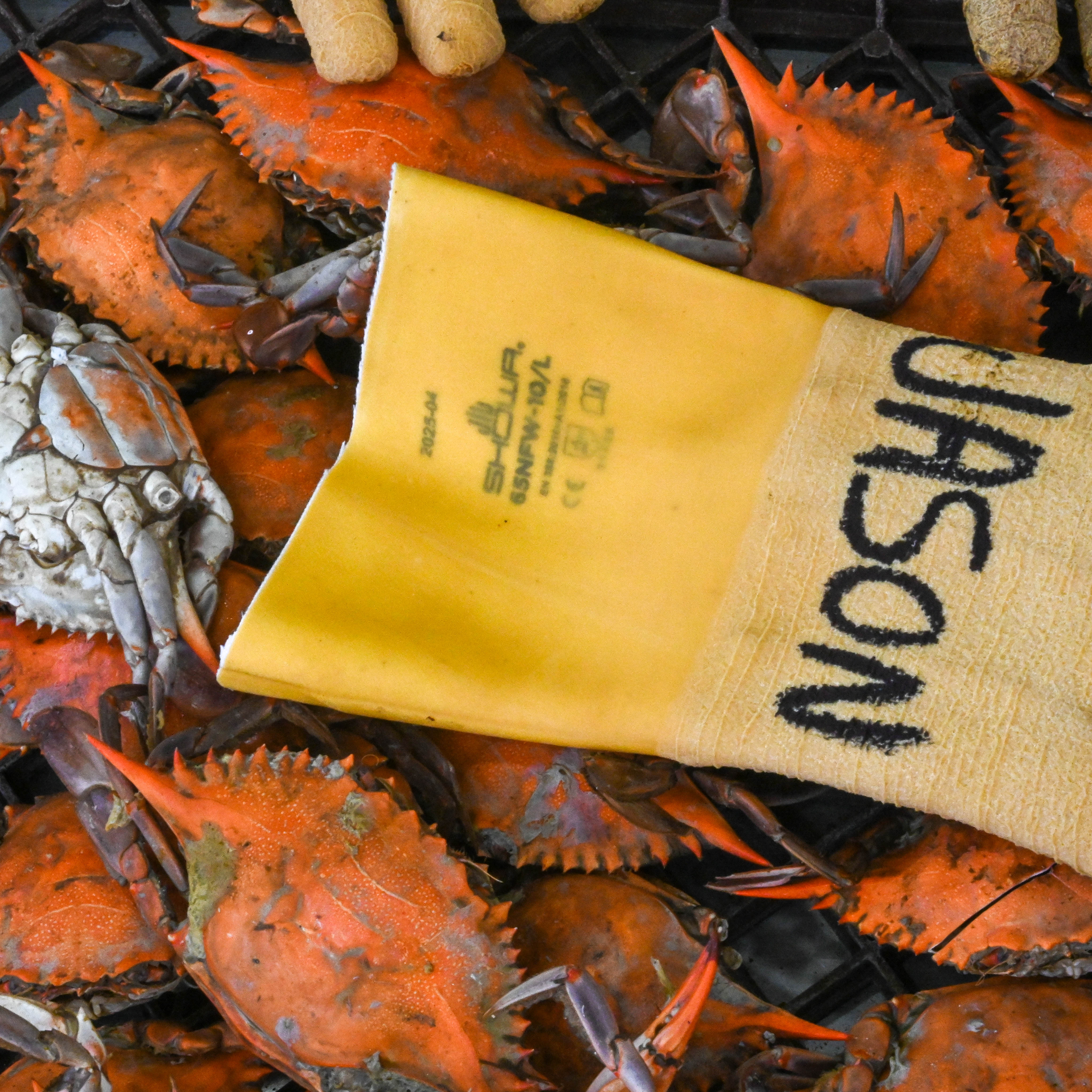
This ritual lives here. It is the fish market in Washington DC. Founded in 1805 to supply the city with fish and seafood, it soon became one of its landmarks.

The market doesn’t rely on signs or instructions. It moves on instinct. Decisions are made quickly, shaped by experience rather than explanation.

Much of the fish and seafood stop here before continuing on to consumers. The Chesapeake Bay, on the Atlantic Ocean, has long provided for fishermen and the people they serve.

Fish and seafood for money — a simple equation that governs markets everywhere. What matters here is that what’s on offer is fresh, often fresher than elsewhere.

The workers keep the market alive, reflecting Washington’s many social layers and communities. Knowledge here isn’t taught; it’s passed on through experience.

In this way, places become part of people’s lives. Returning again and again creates a bond. In the case of the fish market, that bond keeps it alive.

Every year, around his birthday, Eddie comes here with his best friend. They order the king crab legs and sit with the moment. What began as a meal, soon became a ritual.

This ritual lives here. It is the fish market in Washington DC. Founded in 1805 to supply the city with fish and seafood, it soon became one of its landmarks.

The market doesn’t rely on signs or instructions. It moves on instinct. Decisions are made quickly, shaped by experience rather than explanation.

Much of the fish and seafood stop here before continuing on to consumers. The Chesapeake Bay, on the Atlantic Ocean, has long provided for fishermen and the people they serve.

Fish and seafood for money — a simple equation that governs markets everywhere. What matters here is that what’s on offer is fresh, often fresher than elsewhere.

The workers keep the market alive, reflecting Washington’s many social layers and communities. Knowledge here isn’t taught; it’s passed on through experience.

In this way, places become part of people’s lives. Returning again and again creates a bond. In the case of the fish market, that bond keeps it alive.